Pages

Showing posts with label hungry. Show all posts

Thursday, August 15, 2013

Back to School Nutrition
2013-2014 Resource Guide

All over the country, children and parents are getting ready for the new school year to begin. With so much information about food and nutrition available on the Internet and in the news, Dietitians-Online has prepared the 2013-2014 Back to School Nutrition Resource Guide.

Resources
Organizations, Associations, and Programs
School Nutrition Experts, Articles, and Videos

Graphics
Lunchbox Safety
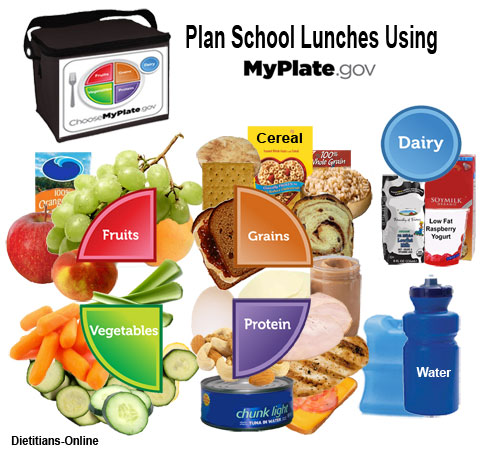
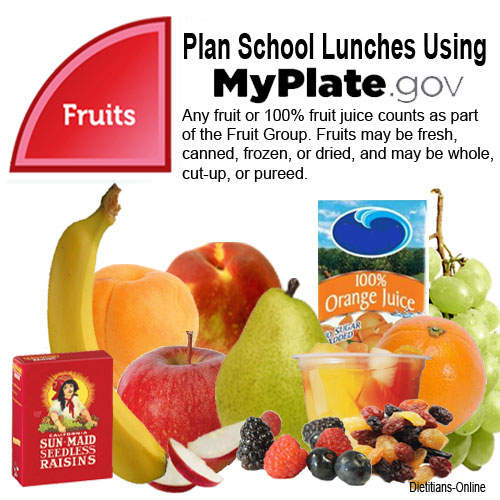
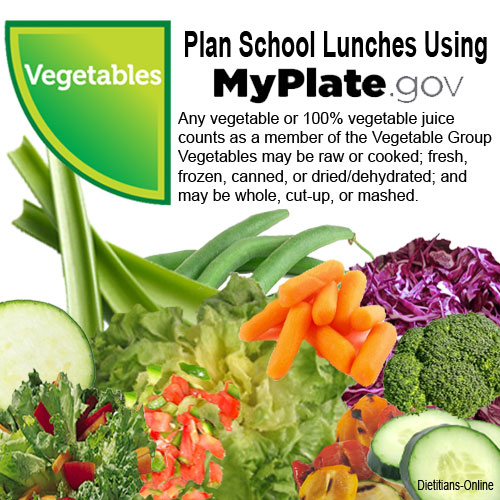
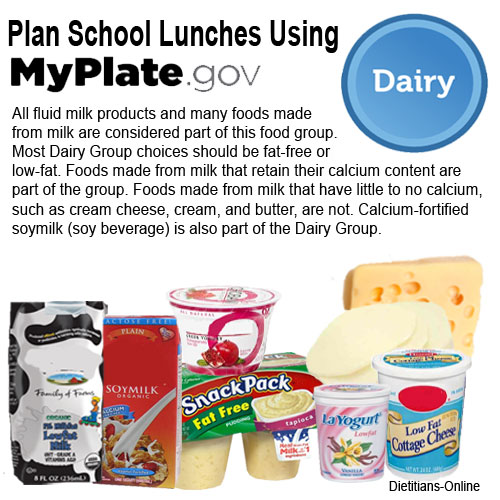
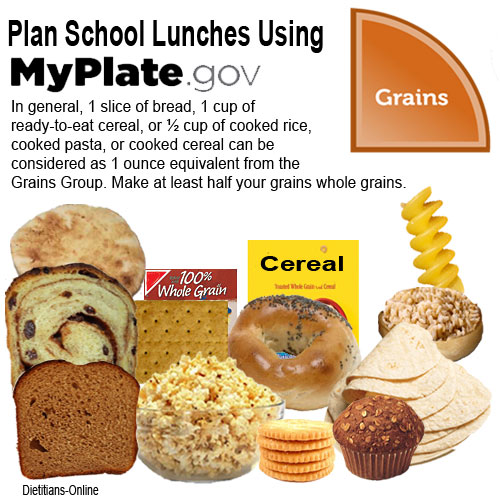
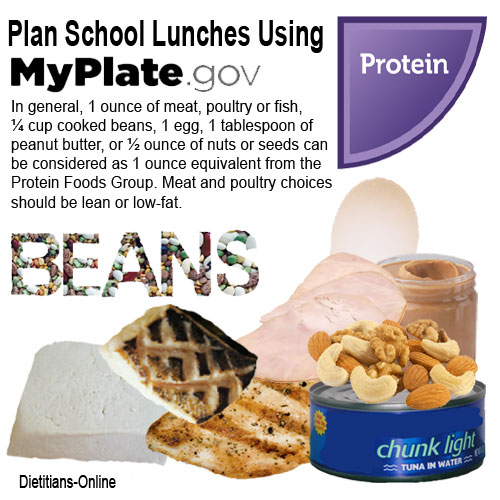
Planning School Lunches Using MyPlate


Back to School Foods

Resources
Organizations, Associations, and Programs
Academy of Nutrition and Dietetics is your source for trustworthy, science-based food and nutrition information. The worlds largest organization of food and nutrition professionals, the Academy is committed to improving the nation's health and advancing the profession of dietetics through research, education and advocacy.
Kids Eat Right your source for scientifically-based health and nutrition information you can trust
to help your child grow healthy. As a parent or caretaker you need reliable resources and you can find them here, backed by the expertise of nutrition professionals.
Home Food Safety Tips The Academy of Nutrition and Dietetics and ConAgra Foods public awareness campaign, Home Food Safety, is dedicated to providing home food safety statistics, information about foodborne illness and safe food handling information and tips.
Safe Lunch Guide
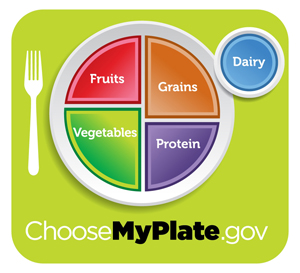
Choose MyPlate. The website features practical information and tips to help Americans build healthier diets.
Let’s Move is about putting children on the path to a healthy future during their earliest months and years. Giving parents helpful information and fostering environments that support healthy choices. Providing healthier foods in our schools. Ensuring that every family has access to healthy, affordable food. And, helping children become more physically active.
Vegetarian Resource Group
Vegetarian Kids, Teens, and Family
Action for Healthy Kids, believe there are ways to reduce and prevent childhood obesity and undernourishment. Learn how Action for Healthy Kids is working with schools, families and communities to help our kids learn to be healthier and be ready to learn.
Healthy Children The American Academy of Pediatrics (AAP) and its member pediatricians dedicate their efforts and resources to the health, safety and well-being of infants, children, adolescents and young adults.
Healthy Children - Nutrition
Food Allergies in Children


Team Nutrition Campaign launched by USDA's Food and Nutrition Service (FNS) to encourage and teach children, parents, and caregivers to eat healthy and be physically active every day. Eat Smart. Play Hard.™ is about making America's children healthier. It's about practical suggestions that will help you motivate children and their caregivers  to eat healthy and be active. Eat  smart. Play Hard.™ Campaign messages and materials are fun for children and informative for caregivers. 
Building Blocks for Fun and Healthy Meals
Fact Sheets For Healthier School Meals

 
We Can
The We Can! GO, SLOW, and WHOA Foods fact sheet (pdf) can be posted on the refrigerator or used when grocery shopping.
The We Can! Parent Tips - Snack (pdf) 100 Calories or Less tip sheet can help consumers choose vegetables, whole grains, and fat-free or low-fat (1 percent) milk for healthier snacks.
  Fruits and Veggies More Matters
Gearing Up for Back to School
National Dairy Council® (NDC)
Child Nutrition


 Fuel Up To Play 60 sponsored by National Dairy Council and the National Football League, in collaboration with United States Department of Agriculture (USDA). Fuel Up to Play 60 is an in-school program that encourages the availability and consumption of nutrient-rich foods, along with at least 60 minutes of daily physical activity.
The National School Lunch Program (NSLP) is a federally assisted meal program operating in public and nonprofit private schools and residential child care institutions. It provides nutritionally balanced, low-cost or free lunches to children each school day. The program was established under the National School Lunch Act, signed by President Harry Truman in 1946.

The School Breakfast Program (SBP) provides cash assistance to  States to operate nonprofit breakfast programs in schools and residential childcare institutions. The program is administered at the Federal level by FNS. State education agencies administer the SBP at the State level, and local school food authorities operate it in schools.

School Nutrition Experts, Articles, and Videos

Dayle Hayes, MS, RD
School Meals That Rock (Facebook)
Dayle Hayes is an award-winning Registered Dietitian, author, and educator. Dayle developed a program for parents, FIT KIDS = HAPPY KIDS; created 5 A Day BINGO; and produced several videos. As a parent and member of the School Nutrition Association, Dayle is dedicated to improving school environments. She collected success stories for Making It Happen; wrote a chapter on communicating with students in Managing Child Nutrition Programs: Leadership for Excellence; and developed Enriching Family Mealtimes, a kit for school leaders and educators. In 2008, she co-authored the Position of the American Dietetic Association: Nutrition Guidance for Healthy Children Ages 2 to 11 Years.

Caroline, RD at Giant Eagle® 
Pack an A+ Lunch for School


Wondering What to Pack for School Lunches? Here are 15 healthier brown-bag lunch options now available in your supermarket. by Elaine Magee, MPH, RD

Back to School: Lunch Box Bootcamp Betsy Bingham Ramirez, M.Ed., RD

Feeding Vegan Kids by Reed Mangels, PhD, RD


Child Nutrition - Lunch Line Choices PSA
As an adult you are a role model for the children around you. Kids follow
 the lead of the adults they see everyday. So remember,
healthy choices start with you.


Priceless: School Lunch
"Priceless" launched the One Tray campaign depicting the
cafeteria tray as the conduit for a reformed school food system that
supports healthy children, local farms, and smart schools.


Sunday, April 21, 2013

April 21 - 27, 2013: National Volunteer Week
Volunteer to Stop Child Hunger in the United States

Volunteer to Stop Child Hunger in the United States

Becoming educated on child hunger in the United States is the first step towards finding a solution. The facts will surprise you. Hunger exists in every community and can affect families of any demographic. Use these resources to educate yourself and community members of all ages on where hunger strikes, how often, and what factors contribute to hunger. You can also find the food banks and action centers taking steps against hunger in your community so you can join in the fight. Together, we can do better.

In the photograph above, we used MyPlate to plan for our donation.
*If foods are going to a food bank, use only shelf-stable items. A shelf-stable food requires no refrigeration.

You may want to make a food basket for a family in your community. Knowing the food will be given to a family right away will allow you to include fresh fruits and vegetables.

Use of any specific brand of food is not an endorsement.
-Dr. Sandra Frank, 


How to Build a Table


What Will You Bring to the Table? 

Powered by generationOn


GenerationOn Mission: To inspire, equip, and mobilize youth to take action that changes the world and themselves through service. 

About GenerationOn: A global youth service movement igniting the power of all kids to make their mark on the world. They are the youth division of Points of Light


GenerationOn has brought the nation's leading youth service organizations and programs under one umbrella including Children for Children, The League, Learning to Give, and Kids Care Clubs, HandsOn Schools. By partnering with teachers, parents, schools, community organizations and businesses, generationOn gives kids the opportunity to see firsthand the issues in their communities and the tools and resources they need to respond and become part of the solution”.


Points of Light connects people to their power to make a meaningful difference by providing access to tools, resources and opportunities to help volunteers use their time, talent, voice and money to meet the critical needs of our communities 


Resources.

Tuesday, October 16, 2012

October 16, World Food Day

World Food Day was established by the Food and Agriculture Organization of the United Nations (FAO) in November 1979. FAO celebrates World Food Day each year on October 16th, the day on which the Organization was founded in 1945.

The official World Food Day theme, announced each spring by the Food and Agriculture Organization of the United Nations, gives focus to World Food Day observances and raises awareness and understanding of approaches to ending hunger.

“Agricultural cooperatives – key to feeding the world” is the formal wording of the 2012 theme. It has been chosen to highlight the role of cooperatives in improving food security and contributing to the eradication of hunger.

Interest in cooperatives and rural organizations is also reflected in the decision of the UN General Assembly to designate 2012 “International Year of Cooperatives.


World Food Day 2012 This World Food Day, you can help to change the life of a child like Molly at no cost to you. All you need to do is watch. At the end of the video, please take a few minutes to take Molly's quiz, http://www.wfp.org/molly


Hungry Planet Episode 20 - Special Report
Presented in this video are three reports on agricultural cooperatives, a key to food security.

  • In Guatemala, farmers making a living from small plots of land struggle to produce bigger crops, become better connected to markets and earn more money.
  • In Afghanistan, as foreign troops prepare to leave, an unexpected kind of peace building is taking place thanks to the rise in dairy cooperatives.
  • In Southern Niger, agricultural cooperatives gain access to better seeds and better farming techniques to fight the region's severe droughts.


World Food Day Poster Design Competition - The Winners!
The first-ever World Food Day Poster Design Competition, for children and young people, drew some 3,621 posters from 72 countries around the world.

The winning posters were announced on World Food Day – Tuesday, 16 October 2012 – by FAO and the United Nations Women’s Guild in Rome, Italy, organizers of the international contest.

Contestants were asked to interpret the 2012 theme of World Food Day: “Agricultural cooperatives: key to feeding the world.”

Posters were drawn, painted, sketched, or created digitally. The judges selected the top 3 entries in each of 3 categories: ages 5-8, ages 9-12, and ages 13-17.


The objectives of World Food Day are to:

*Encourage attention to agricultural food production and to stimulate national, bilateral, multilateral and non-governmental efforts to this end;

*Encourage economic and technical cooperation among developing countries;

*Encourage the participation of rural people, particularly women and the least privileged categories, in decisions and activities influencing their living conditions;

*Heighten public awareness of the problem of hunger in the world;

*Promote the transfer of technologies to the developing world; and

*Strengthen international and national solidarity in the struggle against hunger, malnutrition and poverty and draw attention to achievements in food and agricultural development.


To learn more about World Food Day, visit the Food and Agriculture Organization of the United Nations (FAO).

Sunday, October 16, 2011

World Food Day
October 16, 2011


World Food Day was established by the Food and Agriculture Organization of the United Nations (FAO) in November 1979. FAO celebrates World Food Day each year on October 16th, the day on which the Organization was founded in 1945.

“FOOD PRICES – FROM CRISIS TO STABILITY” has been chosen as the 2011 World Food Day theme to shed some light on this trend and what can be done to mitigate its impact on the most vulnerable.


WORLD FOOD DAY 2011
On World Food Day 2011, let us look seriously at what causes swings in food prices, and do what needs to be done to reduce their impact on the weakest members of global society.


The objectives of World Food Day are to:

*Encourage attention to agricultural food production and to stimulate national, bilateral, multilateral and non-governmental efforts to this end;

*Encourage economic and technical cooperation among developing countries;

*Encourage the participation of rural people, particularly women and the least privileged categories, in decisions and activities influencing their living conditions;

*Heighten public awareness of the problem of hunger in the world;

*Promote the transfer of technologies to the developing world; and

*Strengthen international and national solidarity in the struggle against hunger, malnutrition and poverty and draw attention to achievements in food and agricultural development.


To learn more about World Food Day, visit the Food and Agriculture Organization of the United Nations (FAO).


Monday, October 3, 2011

October 3, 2011, Child Health Day


On the first Monday of October, maternal and child health professionals across America remind us that nothing is more important then the health of our children. Under a Joint Resolution of Congress, the President of the United States proclaimed National Child Health Day every year since 1928.


Originally held in May, this is a poster from 1939.


This is the 83rd annual celebration of Child Health Day. The US Department of Health and Human Services, Health Resources and Services Administration (HRSA) reminds us of maternal and child health programs that help children lead healthy lives every day.

This year’s theme is "Helping Children Lead Healthy Lives."

For Family-to-Family Health Information Centers (F2F HICs), Child Health Day has particular significance. F2F HICs provide information, training, technical assistance, and peer support to families of children with special health care needs, representing over 8.8 million families or 1 in 5 households in the U.S. As families are their children’s primary care givers, F2F HICs play an important role in helping families find health care financing, coordinate care, navigate community-based services, communicate with their child’s providers, and find support from a parent of a child with similar issues. Learn more about F2F HICs in this short video below or connect with the F2F HIC in your state.


On Child Health Day the president invites "all agencies and organizations interested in child welfare to unite on Child Health Day in observing exercises that will make the people of the United States aware of the fundamental necessity of a year-round program to protect and develop the health of the children of the United States."


Child Health and Nutrition
Resources

Organizations, Associations, and Programs
American Dietetic Association is your source for trustworthy, science-based food and nutrition information. The worlds largest organization of food and nutrition professionals, ADA is committed to improving the nation's health and advancing the profession of dietetics through research, education and advocacy.
Kids Eat Right your source for scientifically-based health and nutrition information you can trust to help your child grow healthy. As a parent or caretaker you need reliable resources and you can find them here, backed by the expertise of nutrition professionals.
Home Food Safety Tips The American Dietetic Association and ConAgra Foods public awareness campaign, Home Food Safety, is dedicated to providing home food safety statistics, information about foodborne illness and safe food handling information and tips.
Choose MyPlate. The website features practical information and tips to help Americans build healthier diets.
Let’s Move is about putting children on the path to a healthy future during their earliest months and years. Giving parents helpful information and fostering environments that support healthy choices. Providing healthier foods in our schools. Ensuring that every family has access to healthy, affordable food. And, helping children become more physically active.
Choose MyPlate: Vegetarian Diet.
Healthy Eating Tips for Vegetarians (pdf)
Vegetarian diets can meet all the recommendations for nutrients. The key is to consume a variety of foods and the right amount of foods to meet your calorie needs. Nutrients that vegetarians may need to focus on include protein, iron, calcium, zinc, and vitamin B12
Vegetarian Resource Group
Vegetarian Kids, Teens, and Family
Action for Healthy Kids, believe there are ways to reduce and prevent childhood obesity and undernourishment. Learn how Action for Healthy Kids is working with schools, families and communities to help our kids learn to be healthier and be ready to learn.
Healthy Children The American Academy of Pediatrics (AAP) and its member pediatricians dedicate their efforts and resources to the health, safety and well-being of infants, children, adolescents and young adults.
Eat Smart. Play Hard.™ Materials. Campaign launched by USDA's Food and Nutrition Service (FNS) to encourage and teach children, parents, and caregivers to eat healthy and be physically active every day. Eat Smart. Play Hard.™ is about making America's children healthier. It's about practical suggestions that will help you motivate children and their caregivers to eat healthy and be active. Eat Smart. Play Hard.™ Campaign messages and materials are fun for children and informative for caregivers.
Building Blocks for Fun and Healthy Meals
Fact Sheets For Healthier School Meals

We Can
The We Can! GO, SLOW, and WHOA Foods fact sheet (pdf) can be posted on the refrigerator or used when grocery shopping.
The We Can! Parent Tips - Snack (pdf) 100 Calories or Less tip sheet can help consumers choose vegetables, whole grains, and fat-free or low-fat (1 percent) milk for healthier snacks.
Fruits and Veggies More Matters
Gearing Up for Back to School

National Dairy Council® (NDC)
Child Nutrition
Fuel Up To Play 60 sponsored by National Dairy Council and the National Football League, in collaboration with United States Department of Agriculture (USDA).

Fuel Up to Play 60 is an in-school program that encourages the availability and consumption of nutrient-rich foods, along with at least 60 minutes of daily physical activity.
The National School Lunch Program (NSLP) is a federally assisted meal program operating in public and nonprofit private schools and residential child care institutions. It provides nutritionally balanced, low-cost or free lunches to children each school day. The program was established under the National School Lunch Act, signed by President Harry Truman in 1946.
The School Breakfast Program (SBP) provides cash assistance to States to operate nonprofit breakfast programs in schools and residential childcare institutions. The program is administered at the Federal level by FNS. State education agencies administer the SBP at the State level, and local school food authorities operate it in schools.