Pages

Showing posts with label Red Foods. Show all posts

Wednesday, July 3, 2013

Happy Birthday America
Healthy Red, White, and Blue Foods with Recipes


Red, White, and Blue Food Choices
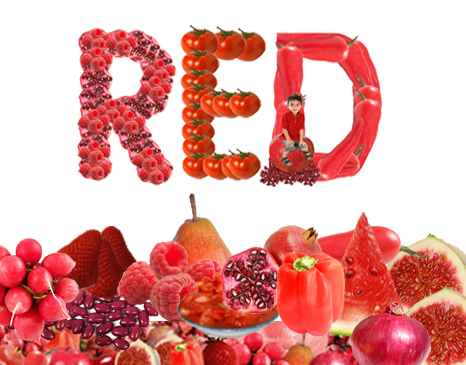
Apples, Beets, Cayenne, Cherries, Cranberries, Guava, Kidney Beans, Papaya, Red Grapefruit, Pomegranates, Radicchio, Radishes, Raspberries, Red Bell Peppers, Red Cabbages, Red Chili Peppers, Red Corn, Red Currants, Red Grapes, Red Onions, Red Pears, Red Peppers, Red Plums, Red Potatoes, Red Tomatoes, Rhubarb, Strawberries, Watermelons
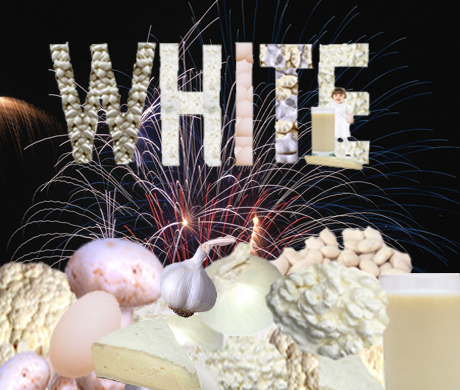
Cauliflower, Coconut, Garlic, Ginger, Green Onions, Scallions, Horseradish, Jicama, Kohlrabi, Leeks, Millet, Mushrooms, Onions, Parsnips, Quinoa, Shallots, Soy Products, Sunflower Seeds, Tofu, Turnips, White Beans, White Corn, White Sesame Seeds, Eggs, Milk
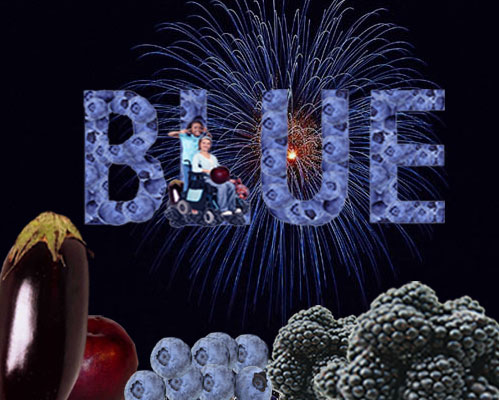
Blue Grapes, Blue Potatoes, Blueberries, Dried Plums, Plums, Eggplant, Blue Corn

Red, White, and Blue on a Bun


Yields: 2 servings

Ingredients
1 Whole Wheat Hamburger Bun
1 Whole Wheat Hot Dog Bun
1 Strawberry
9 Raspberries
3 Blackberries
14 Blueberries
1 Tbsp Cream Cheese, reduced-fat


Red, White, and Blue Parfait

Ingredients
1/3 cup Blueberries
1/3 cup Fat free Vanilla Yogurt
1/3 cup Strawberries, sliced


Red, White, and Blue Sandwich on
 Sourdough Bread with Cream Cheese,
Yogurt-Covered Raisins, Blueberries,
Raspberries, and Strawberries

Ingredients
2 slices thin Sourdough Bread
2 Tbsp Cream Cheese, low fat
7 yogurt-covered Raisins
1/2 cup Blueberries
2 Strawberries
4 Raspberries


Directions
1. Spread cream cheese on half the bread.
2. Use the yogurt-covered raisins and blueberries as the stars on the flag.
3. Slice strawberries to form the stripes on the flag.
4. Garnish: Blueberries and Raspberries.


Wednesday, March 23, 2011

Introducing Red Foods
National Nutrition Month

Red and Pink Foods
Hosts: Robert and Pam


Food Sources
Apples, Beets, Cayenne, Cherries, Cranberries, Guava, Kidney Beans, Papaya, Pink Beans, Pink/Red Grapefruit, Pomegranates, Radicchio, Radishes, Raspberries, Red Bell Peppers, Red Cabbages, Red Chili Peppers, Red Corn, Red Currants, Red Grapes, Red Onions, Red Pears, Red Peppers, Red Plums, Red Potatoes, Red Tomatoes, Rhubarb, Strawberries, Watermelons

Do you know other foods that are Red or Pink?


About Red Fruits and Vegetables.

Red fruits and vegetables get their color from natural plant pigments called lycopene or anthocyanins. Both are
phytonutrients, which have health-promoting benefits, such as:
·         Reduces the risk of several types of cancer, especially prostate cancer
·         Reduces the risk of heart disease
·         Protects our bodies’ cells from environmental damage (harmful free-radicals)
·         Lowers blood pressure
·         Lowers LDL cholesterol
·         Aids in memory
·         Maintains the health of the urinary tract system

Lycopene is a carotenoid and antioxidant. Examples of food sources include tomatoes, watermelon, pink grapefruit, and papaya.  

Anthocyanins, an antioxidant found in cranberries, raspberries, red grapes, strawberries, and other red to purplish fruits and vegetables may help protect cells from damage.

In addition, red fruits and vegetables contain many vitamins and minerals and are rich in fiber. Fiber helps maintain the digestive system.

Ways to increase Red Food Intake:
Add strawberries or raspberries to cereal or low fat yogurt.
Freeze seedless red grapes for a sweet snack.
Add thin slices of red tomatoes or red apples to a sandwich.
Add red kidney beans to soup, salads or rice dishes.
Dice tomatoes and red apples and add to a salad.


A Special Tribute to the Tomato
Time is ripe 
 by Nutrition Information: 172 Calories; 8 g Protein; 18 g Carbohydrates; 3 g Dietary Fiber; 8 g Fat; 3.7 g Saturated Fat; 21 mg Cholesterol; 1229 IU Vitamin A; 24 mg Vitamin C; 97 IU Vitamin D ; 366 mg Potassium; 299 mg Sodium)

Definitions:
Phytonutrients (or phytochemicals) are found in plants. They are part of what gives fruits and vegetables their colors. Phytonutrients help protect plants from diseases found in the environment and protect us in a similar way. Studies have linked an increase of fruit and vegetable intake with lowering the risk of specific cancers and heart disease. The following list describes how phytonutrients may also help protect human health.
1. Act as an antioxidant.
2. Improves immune response.
3. Improves cell-to-cell communication.
4. Destroys cancer cells.
5. Repairs DNA damage caused by toxins in the environment.


Antioxidants. As the body uses oxygen, there are by-products (known as “free radicals”) that can cause damage to cells. Antioxidants can prevent or slow down the damage caused by these free radicals and decrease the risk of many chronic diseases, such as heart disease and cancer. Antioxidants may also improve the immune defense and lower the risk of infection. Some examples of antioxidants include vitamin A (beta-carotene), vitamin C, vitamin E, lutein, lycopene and flavonoids.

Wellness News employs young adults with "Special Needs" (Cerebral Palsy, Autism, Down Syndrome, Muscular Dystrophy). My staff started the project in September 2010. Over the next five months, we would take over 600 photographs of colorful foods in order to create the March presentation for NNM. Many of the photographs are available for purchase with the proceeds going to special need young adults. Contact Dr. Sandra Frank for additional information (recipenews@gmail.com).

Jonathan Cruz