Showing posts with label Food. Show all posts
Tuesday, November 6, 2018
Thursday, October 24, 2013
October 24, 2013 Food Day, From Our Garden
2. Support sustainable farms and limit subsidies to big agribusiness.
3. Expand access to food and alleviate hunger.
4. Protect the environment and animals by reforming factory farms.
5. Promote health by curbing junk-food marketing to kids.
6. Support fair conditions for food and farm workers.
Our family and friends come from diverse backgrounds with physical and emotional challenges or chronic illnesses, such as Cerebral Palsy, Autism, and Heart Disease.
Our Meal
The main course is a tri-color pasta with a variety of toppings to choose from. Our garden provided us with tomatoes, onions, broccoli, cucumbers, and basil. We purchased spinach, pasta sauce, locally grown fruits, part-skim mozzarella and for the meat eaters we had ground turkey meatballs and shredded chicken. In addition, we prepared a red, white and green grilled cheese sandwich from the US Dept of Health and Human Services cookbook “Keep the Beat Recipes,” recipes. A free copy of the cookbook is available on their website.
The dessert was a big hit. We made fruit kabobs using locally grown fruits and paired with low fat ice cream and for Jake we prepared a smoothie using the same ingredients.
From Our Garden

The meal would feed six people, each with unique needs.
My son Jake was born with Cerebral Palsy and is a quadriplegia. He is unable to hold utensils and requires a straw to drink fluids. Finger foods and a weighted cup with a flexi straw usually provide him the most independence.

When purchasing pasta, I look for shapes about one-inch long and easy to hold, such as Rotini (a helix or corkscrew-shaped pasta). As a backup plan, sandwiches are easy to make from most recipes and a perfect finger food.
Resources and References
Labels:
autism,
Cerebral Palsy,
Challenge,
Color,
dietitian,
Food,
Food Color,
Food Day,
health,
Muscular Dystrophy,
nutritionist
Thursday, July 25, 2013
July 25, Culinarians Day
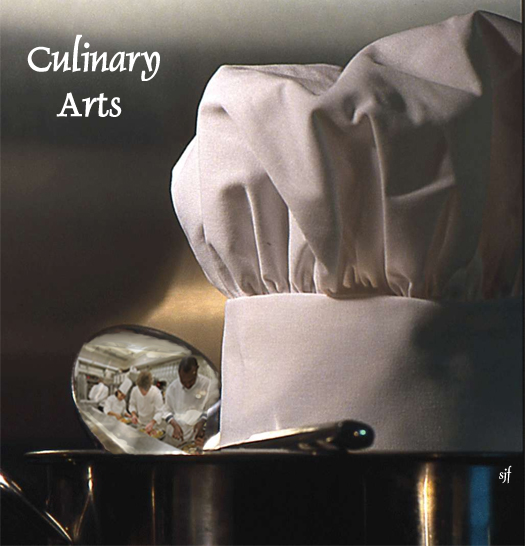
A Tribute to the Culinary Arts Profession
Culinary education is available from a wide number of institutions offering diploma, associate, and bachelor degree programs in culinary arts. Depending on the level of education, this can take one to four years. An internship is often part of the curriculum. Most professional kitchens follow the apprenticeship system.
These are some of the most well known culinary schools in the food-service industry and culinary arts.
International Culinary Schools at the Art Institutes
Culinary Institute of America (CIA)
Elmo joins White House Assistant Chef Sam Kass in the White House kitchen to talk about the importance of healthy and delicious school meals following President Obama's signing of the Healthy, Hunger-Free Kids Act. This legislation is an important step forward toward ensuring that no child goes to school hungry and that all children have access to healthy, nutritious foods at school.
Research Chefs Association (RCA)
Health and Nutrition
About twenty years ago, a dear friend who was a chef told me “if it is not made from real butter and real cream, it is not real food.” Sadly, he passed away from heart disease.
Nutrition and food safety is now apart of all culinary school curriculums. There are dietitians who have certification in the culinary arts and are creating healthy cuisines that have grown in popularity.
More chefs are teaming up with dietitians to meet the needs of the community. Even Elmo and the White House Assistant Chef Sam Kass talk about the importance of healthy and delicious school meals.
The videos featured below give you a history of the profession during the 20th and 21st century. As we move towards the present, you will notice how health and nutrition play an important role in the development of new cuisines and the modification of traditional favorites.
The History of the More chefs are teaming up with dietitians to meet the needs of the community. Even Elmo and the White House Assistant Chef Sam Kass talk about the importance of healthy and delicious school meals.
The videos featured below give you a history of the profession during the 20th and 21st century. As we move towards the present, you will notice how health and nutrition play an important role in the development of new cuisines and the modification of traditional favorites.
Culinary Institute of America (CIA)
The American Culinary Federation, Inc. (ACF), a professional, organization for chefs and cooks, was founded in 1929 in New York City by three chefs’ organizations: the Société Culinaire Philanthropique, the Vatel Club and the Chefs de Cuisine Association of America. They are an organization based on promoting the professional image of American chefs worldwide through education of culinarians at all levels.
In 1976, ACF forever changed the culinary industry by elevating the position of the executive chef from service status to the professional category in the U.S. Department of Labor’s Dictionary of Official Titles. Since this change, the culinary industry has grown tremendously.
ACF is the culinary leader in offering educational resources, training, apprenticeship and programmatic accreditation designed to enhance professional growth for all current and future chefs and pastry chefs. In addition, ACF operates the most comprehensive certification program for chefs in the United States. ACF is home to ACF Culinary Team USA, the official representative for the United States in major international culinary competitions, and to the Chef and Child Foundation, founded in 1989 to promote proper nutrition in children and combat childhood obesity.
The American Culinary Federation (ACF)
Culinary Team USA 2012
Seven chefs unite to take on the challenge of their careers. They will compete in a
global event to test their skills like never before. They are ACF Culinary Team USA.
Elmo joins White House Assistant Chef Sam Kass in the White House kitchen to talk about the importance of healthy and delicious school meals following President Obama's signing of the Healthy, Hunger-Free Kids Act. This legislation is an important step forward toward ensuring that no child goes to school hungry and that all children have access to healthy, nutritious foods at school.
Research Chefs Association (RCA)
Formed in 1996 by a group of food professionals with a common interest in the challenges facing the profession. RCA has become the premier source of culinary and technical information for the food industry, with a professionally diverse membership including chefs, food scientists, and other industry professionals who are shaping the future of food research and development.
What is Culinology®?
"It is the blending of culinary arts and food science, promoted by the
Research Chefs Association. This fast-growing discipline is gaining popularity
in the industry and popping up in degree programs at the college level
because the food product development industry is demanding that
their professionals have a combination of culinary and food science skills"
"It is the blending of culinary arts and food science, promoted by the
Research Chefs Association. This fast-growing discipline is gaining popularity
in the industry and popping up in degree programs at the college level
because the food product development industry is demanding that
their professionals have a combination of culinary and food science skills"
Monday, July 1, 2013
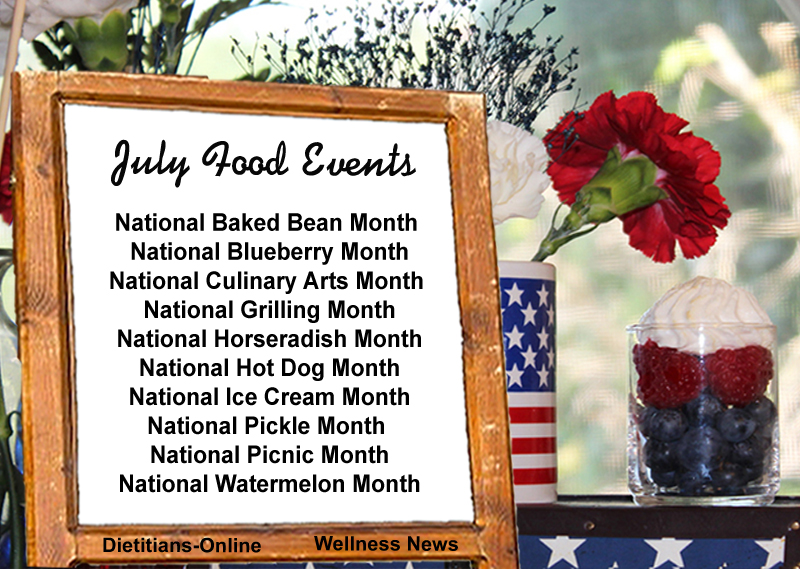
July Health, Nutrition, and Food Events
Current News, Resources and Events in Nutrition, Food, Health, Environment, Safety and Disability Rights. Encourages awareness and inspires ideas for Journalists, Educators, Consumers and Health Professionals. Wellness News is up-dated daily and includes weekly and daily events. To view the entire Newsletter online click here or subscribe to Wellness News by adding your email address to the link on the left.
July Featured Causes and Events
An Independence Day Tribute
July Health, Nutrition, and Food Events
Wellness News employs young adults with "Special Needs" (Cerebral Palsy, Autism, Down Syndrome, Muscular Dystrophy). Please visit our Gallery to purchase photographs of our Eatright Art with the proceeds going to the employment of special need adults. Contact Dr. Sandra Frank for additional information (recipenews@gmail.com).
Prepared by
Wellness News (www.weighing-success.com/WellnessNews.html)
Sandra Frank, Ed.D, RD, LDN
Jake Frank
John Gargiullo
Michelle Canazaro
Labels:
Baked Beans,
Blueberries,
Consumers,
Culinary Arts,
diet,
dietitian,
Educator,
Family Reunion,
FDA Symposium,
Food,
Grilling,
health,
Horseradish,
Ice Cream,
Journalist,
Nutrition,
UV Safety
Monday, June 24, 2013
Tuesday, June 18, 2013
June 18, International Picnic Day
June 18 is International Picnic Day; an informal food holiday. The day is celebrated where food is brought from home or a market and eaten outdoors.
The origin of picnic day dates back to the medieval times. After a successful hunt, people would gather outside for a picnic. It is possible International Picnic Day was developed and promoted to bring families together for outside activities, family reunions, exercise, relaxation, and an appreciation of nature.
Traditional foods serves on International Picnic Day include such dishes as salads, sandwiches, beverages, and desserts. If a grill is available, include cooked meats, fish, poultry, and vegetables.
Food Safety is Important for a Successful Picnic
*Pack beverages in one cooler and perishable foods in another. *Limit the number of times the cooler is opened so as to keep the contents cold longer.
*Be sure to keep raw meat, poultry, and seafood securely wrapped. This keeps their juices from contaminating prepared and cooked foods or foods that will be eaten raw, such as fruits and vegetables.
*Rinse fresh fruits and vegetables under running tap water before packing them in the cooler.
*Keep food properly chilled in a cooler and don’t let food sit out for more than two hours (one hour if the temperature is 90º F or higher).
Labels:
dietitian,
Food,
nutritionist,
picnic,
safety
Sunday, June 9, 2013
June 10, Multicultural American Child Awareness Day
Exploring Food Diversity
Today is a wonderful time to celebrate the many cultural foods that makeup the American Cuisine. The diversity can be seen as we travel across the country. There are regional differences and the influences of immigrants from all over the world.
As a nation of immigrants, our foods have expanded to include worldwide cuisines, traditions, and religious influences. Many ethnic dishes are joining the American food culture and are seeing an incredible boost in familiarity, approval and consumption.
Project: Invite friends over and ask each to bring a traditional family dish. You may be pleasantly surprised at some of the new foods to explore.
New England is known for seafood, particularly lobster, and a creamy clam chowder. The Southern states are known for collard greens (leafy greens), chicken and dumplings, black eyed peas and cornbread. Grits is a popular breakfast dish in the South. The Midwest has traditionally been a beef and grain producing area so meats, potatoes and breads are foods found there. In the Pacific Northwest fresh salmon is a specialty and in the Southwest, the Mexican influence can be seen. California and Hawaii are both known for growing many different fruits, and Alaska is known for its fish and King Crab.
As a nation of immigrants, our foods have expanded to include worldwide cuisines, traditions, and religious influences. Many ethnic dishes are joining the American food culture and are seeing an incredible boost in familiarity, approval and consumption.
Foods from All Over the World
Project: Invite friends over and ask each to bring a traditional family dish. You may be pleasantly surprised at some of the new foods to explore.
Table of Cuisines (from Menu Solutions)
|
Labels:
children,
dietitian,
Diversity,
Food,
Multicultural
Thursday, June 6, 2013
June, Migraine & Headache Awareness Month
Headaches and the Food Connection
by Elaine Magee, MPH, RD
Elaine Magee lists Ten Food Steps to Free yourself from headaches. Some tell you what to avoid and others tell you what may help.
•Keep a headache and diet diary.
•Avoid skipping meals. Eat when you're hungry, stop when you're comfortable.
•Limit caffeine to a moderate and consistent amount daily or eliminate it completely.
•Avoid eating a high-fat diet.
•Switch to plant and fish sources of omega-3s when possible.
•Find out if NutraSweet is not so sweet for your headaches.
•Limit tyramine-containing foods if you appear to be sensitive to it. (Link to a Low Tyramine Headache Diet (PDF) from the National Headache Foundation
•Avoid certain additives if sensitive (MSG, nitrate/nitrite).
•Beware of certain dehydrating beverages - those containing alcohol and caffeine. Stay hydrated as much as possible.
•Work a couple of magnesium-rich foods into your day if you have hormonal headaches. Examples of magnesium-rich foods: Almonds, whole-grain bagel , barley, black beans, black-eyed peas, bran cereal with raisins, Brazil nuts, 100% whole-grain bread, brown rice, bulgur, cashews, and Wheat Chex
•Avoid skipping meals. Eat when you're hungry, stop when you're comfortable.
•Limit caffeine to a moderate and consistent amount daily or eliminate it completely.
•Avoid eating a high-fat diet.
•Switch to plant and fish sources of omega-3s when possible.
•Find out if NutraSweet is not so sweet for your headaches.
•Limit tyramine-containing foods if you appear to be sensitive to it. (Link to a Low Tyramine Headache Diet (PDF) from the National Headache Foundation
•Avoid certain additives if sensitive (MSG, nitrate/nitrite).
•Beware of certain dehydrating beverages - those containing alcohol and caffeine. Stay hydrated as much as possible.
•Work a couple of magnesium-rich foods into your day if you have hormonal headaches. Examples of magnesium-rich foods: Almonds, whole-grain bagel , barley, black beans, black-eyed peas, bran cereal with raisins, Brazil nuts, 100% whole-grain bread, brown rice, bulgur, cashews, and Wheat Chex
Food Tips For Migraines
Registered Dietitian Kerri Glassman explains to
Julie Chen which foods hurt or help migraine headaches.
Foods Can Affect Headache Frequency
Teresa Beach, a registered dietitian talks about foods that may trigger headaches. Beach states, "The best thing to do is keep a headache journal. On the days you get a migraine, try to think of every single thing you ate to see if there is a connection.
Labels:
dietitian,
Food,
Headache,
Migraine,
nutritionist
Saturday, June 1, 2013
Friday, May 10, 2013
May 11, 2013 Stamp Out Hunger with the
National Association of Letter Carriers
On Saturday, May 11, 2013, the National Association of Letter Carriers will do their part to Stamp Out Hunger across America. Now in its 21st year, the Stamp Out Hunger effort is the nation's largest single-day food drive collecting more than one billion pounds of food since its inception in 1993. In 2012, Americans donated more than 70 million pounds of food, which marked the ninth consecutive year at least 70 million pounds were collected.
The Stamp Out Hunger food drive provides food to local food banks and pantries that rely on donations. With more than 50 million Americans living at risk of hunger, food banks across the country continue to experience record demand for emergency food assistance.
Donate items, such as canned meats, fish, soup, bottled juice, vegetables, pasta, cereal and rice that do not require refrigeration. Please do not include expired items or glass containers.
Stamp Out Hunger 2013
Remember to help out on May 11, 2013.
Place non-perishable food products in a bag and leave at your mailbox.
Your Letter Carrier will deliver the food to local food banks.
To find out how you can help go to
Labels:
canned food,
dietitian,
Food,
hunger,
Letter Carrier,
non-perishable,
Nutrition,
Stamp out Hunger
Sunday, May 5, 2013
May 5, National Hoagie Day Meets Cinco de Mayo
There are different stories about how the hoagie was discovered, but most of them originate out of the Philadelphia area. The sandwich contains various meats, cheeses, and lettuce in between 2 slices of bread or a loaf cut in half.
Ingredients
1.5 oz Whole Wheat Roll
20 g (3/4 oz) Salami
1/2 oz Monterey Jack Cheese
1/2 oz Turkey Bread
Salsa
Jalapeno
Red Peppers
Tomato Slice
Shredded Lettuce
1.5 oz Whole Wheat Roll
20 g (3/4 oz) Salami
1/2 oz Monterey Jack Cheese
1/2 oz Turkey Bread
Salsa
Jalapeno
Red Peppers
Tomato Slice
Shredded Lettuce
Thursday, May 2, 2013
May, Older Americans Month
Nutrition and Wellness Series for Older Adults
Take Care of Those Who Took Care of You
Resources
US Administration on Aging. Older Americans Month
AARP. http://www.aarp.org/
Nutrition.gov. Resources for Seniors from Nutrition.gov
AARP. http://www.aarp.org/
Nutrition.gov. Resources for Seniors from Nutrition.gov
Tuesday, April 23, 2013
April, National Garden Month
a Tribute to the Cooperative Extension
The ground has thawed from the winter, at least in most areas. Many people are deciding if they want to start a garden or what crops will they be planting this year.
Gardening is a passion of mine. I initially started my studies in agronomy and later changed to nutrition. The cooperative extension became an important part of my education and a wonderful resource. It was also the first job I had as a dietitian, teaching nutrition in a summer program through Cornell University Extension.
What is the Cooperative Extension?
History
The Morrill Act of 1862 established land-grant universities to educate citizens in agriculture, home economics, mechanical arts, and other practical professions. Extension was formalized in 1914, with the Smith-Lever Act. It established the partnership between the agricultural colleges and the USDA to provide for cooperative agricultural extension work.
Over the last century, the extension has adapted to changing times, and it continues to address a wide range of human, plant, and animal needs in both urban and rural areas. The cooperative extension focuses education in six major areas:
1. 4-H Youth Development
2. Agriculture
3. Leadership Development
4. Natural Resources
5. Family and Consumer Sciences
6. Community and Economic Development
Below are educational videos prepared by various Cooperative Extensions across the United States.
Resources
1. To find your nearest Cooperative Extension office.
2. National Gardening Association
3. Food Gardening Guide
Gardening is a passion of mine. I initially started my studies in agronomy and later changed to nutrition. The cooperative extension became an important part of my education and a wonderful resource. It was also the first job I had as a dietitian, teaching nutrition in a summer program through Cornell University Extension.
What is the Cooperative Extension?
The Cooperative Extension, also known as the Extension Service of the United States Department of Agriculture, is a research based educational program designed to help people in the areas of agriculture and food, home and family, the environment, community economic development, and youth and 4-H. The service is provided in every state's designated land-grant universities.
NIFA is the federal partner in the Cooperative Extension System. It provides federal funding to the system and, through program leadership, helps the system identify and address current issues and problems.
History
The Morrill Act of 1862 established land-grant universities to educate citizens in agriculture, home economics, mechanical arts, and other practical professions. Extension was formalized in 1914, with the Smith-Lever Act. It established the partnership between the agricultural colleges and the USDA to provide for cooperative agricultural extension work.
Over the last century, the extension has adapted to changing times, and it continues to address a wide range of human, plant, and animal needs in both urban and rural areas. The cooperative extension focuses education in six major areas:
1. 4-H Youth Development
2. Agriculture
3. Leadership Development
4. Natural Resources
5. Family and Consumer Sciences
6. Community and Economic Development
Below are educational videos prepared by various Cooperative Extensions across the United States.
How to Grow Blueberries
North Carolina Cooperative Extension
University of California Cooperative Extension Turns 100
Caring for Asparagus
University of Maine Cooperative Extension
Eat Smart New York! -
Cornell Cooperative Extension Westchester County
Color Yourself Healthy
University of Nebraska
Florida Statewide Extension Sustainability Programs
1. To find your nearest Cooperative Extension office.
2. National Gardening Association
3. Food Gardening Guide
Subscribe to:
Posts (Atom)