Pages

Thursday, January 10, 2013

January 10, National Cut Your Energy Costs Day

Keep America Beautiful believes each of us holds an obligation to preserve and protect our environment. Through our everyday choices and actions, we collectively have a huge impact on our world. Keep America Beautiful follows a practical approach that unites citizens, businesses and government to find solutions advancing core issues of preventing litter, reducing waste, cutting energy costs, and beautifying communities.

How You Can Help


•Don't Leave Lights On

•Choose energy-saving lighting. 

•Use Reusable Bags. Remember to wash and sanitize the bags after each use.

•Consolidate your purchases into one bag rather than getting a new bag at each store.

•Plan your shopping in advance. Save money on fuel by making fewer trips to the stores.
•Avoid last minute shopping when you won’t have time to make careful choices.

•When buying electronics, remember to buy rechargeable batteries to go with them.

•Electronics. Never throw old computers, monitors, TV’s, printers, or other electronics in the landfill. Instead, donate them to a local charity for reuse, or find out about your local e-cycling programs.

•Reduce the amount of trash you throw away and reuse products before you throw them out or recycle them. This creates the least impact on the planet and our resources.

•Compost your food waste. Fruits and vegetables and their peels, pits and seeds are all perfect for composting, a great natural fertilizer.


•Turn Off The Heat When Not Home


Resources.


Wednesday, January 9, 2013

January 9, Apricot Day


Apricot Stone,
Eva Rivas, Armenia


Spanish explorers introduced the apricot to California in the 18th century, and recorded history indicates in 1792 the first major California crop was produced. By 1920, the California apricot was flourishing in the Santa Clara Valley. Eventually California apricot farms found their way to the San Joaquin Valley after World War II.


The Apricot Producers of California (APC)

In 1961, the Apricot Producers of California (APC) was established. It is a non-profit cooperative association providing information and services to its grower-members within the major apricot producing areas of California.

APC created a website, which features practical information about California apricots. It contains nutritional information, serving suggestions and tips on using and selecting California apricots, APC is actively involved in lobbying governmental and trade organizations; sponsorship of a variety of educational and informational efforts to the foodservice industry, dietitians, and consumers; participation and attendance of trade shows and continued media enhancement.

Today, there are over four hundred apricot growers. They produce apricots from orchards covering 21,000 acres in the San Joaquin Valley and northern California. About 95 percent of the apricots grown in the U.S. come from California.

Apricot Selection and Storage
Fresh apricots range in color from yellow to deep orange. Avoid green apricots, as they will not ripen. When selecting fresh apricots, look for fruits soft to the touch and juicy, these are ready to eat. The fruits vary in size from about 1-1/2 to 2-1/2 inches in diameter. The apricot should have a bright, ripe aroma. Stay away from bruised, soft, or mushy apricots.
Apricots will ripen at room temperature or can be stored in the refrigerator to prevent over ripening. A hard apricot can ripen by placing it in a paper bag for one to two days. To freeze apricots, cut the fruit in half and place on a baking sheet until frozen, once they are frozen, store in plastic freezer bags up to 3 months.

Apricots can be purchased fresh, canned, frozen, pureed, dried and as nectar both in juice and concentrated form.


Nutrition Information
Apricots are rich in beta-carotene, Vitamin C, potassium, iron and Vitamin A. They are also high in fiber and low in saturated fat and sodium. Apricots contain no cholesterol. Just three apricots contain 40 percent of the daily requirement of Vitamin A.


Preparation
Apricots are great to eat raw, but they are excellent in fruit salads and added to baked goods such as pies, cakes, muffins, breads, puddings and ice cream. They can be used in cooking and are compatible with many poultry and pork dishes.

Canned apricots can be added to cereals, yogurt, cottage cheese and smoothies. Fresh, canned, frozen or even dried apricots can be served on top of waffles and pancakes. They can be pureed and used as a fat substitute. 


Recipe: Savory Fresh Apricot Bites
Serves 12. Each serving equals 1/2 cup of fruit or vegetables
Nutritional analysis per serving. Calories 77, Protein 3g, Fat 3g, Calories From Fat 26%, Carbohydrates 10g, Cholesterol 0mg, Fiber 2g, Sodium 52mg.
Source: California Fresh Apricot Council

Ingredients
4 oz fat-free cream cheese, softened
12 fresh apricots, halved
½ cup pistachios, finely chopped

Stir cream cheese until smooth; pipe or spoon into apricot halves. Sprinkle tops with  pistachios. Serve as an appetizer, snack, or dessert.


Red Cabbage with Apricots and Balsamic Vinegar

Serves 6.
Nutritional analysis per serving. Calories 165, Protein 2g, Fat 8g, Calories From Fat 40%, Carbohydrates 25g, Cholesterol 20mg, Fiber 3g, Sodium 29mg.
Source. Bon Appétit
Ingredients
4 tablespoons butter
1 8-ounce red onion, thinly sliced
½ teaspoon ground allspice
¼ teaspoon ground nutmeg
1 1½-pound cored red cabbage, quartered and very thinly sliced
½ cup dried apricots, thinly sliced
¼ cup apricot preserves
¼ cup balsamic vinegar

Salt and pepper, to taste. Melt butter in a heavy large pot over medium-high heat. Add onion, allspice and nutmeg and toss for 1 minute. Add cabbage and apricots and sauté until well coated, about 2 minutes. Add apricot preserves and vinegar and toss until juices are reduced to glaze and cabbage is crisp-tender, about 6 minutes. Season with salt and pepper. Cabbage can be prepared 1 day ahead. Cover and keep refrigerated. Rewarm over medium heat before serving.


Monday, January 7, 2013

National Folic Acid Awareness Week
January 6 - 12, 2013

The National Council on Folic Acid (NCFA).
The mission of the National Council on Folic Acid (NCFA) is to improve health by promoting the benefits and consumption of folic acid.


National Folic Acid Awareness Week is January 6 -12, 2013. Adequate folic acid intake is important for the prevention of birth defects. 


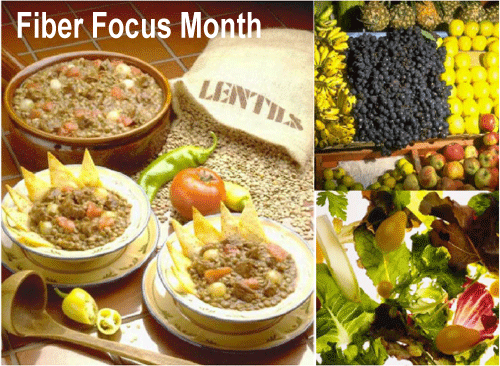
Healthy Food Choices for Folic Acid


Messages NCFA wants all women 
of childbearing age to know.
Please visit NCFA to view
all the messages and links. 

1. Folic acid is a vitamin that can help prevent birth defects. Women of childbearing age need an extra 400 micrograms (mcg) of folic acid each day.

2. Women can get the recommended 400 mcg of folic acid by taking a daily multivitamin or by eating fortified foods. Check the label of your cereal to see if it has 100% DV (daily value) of folic acid.

3. Important growth of the baby happens very early in pregnancy, before most women know that they are pregnant. Folic acid can prevent birth defects of the baby’s brain or spine if a woman takes it before and during pregnancy.

4. If you are pregnant, remember to take a prenatal vitamin with iron and folic acid every day.


Nutritional Habits 
Although all enriched cereals and grain products in the U.S. are fortified with the B-vitamin folic acid, only one-third of U.S. women of childbearing age consume the recommended amount from their diet. Taking a multivitamin with folic acid every day is a key way that women can get the recommended amount of 400 mcg.
Be Prepared Before Pregnancy 
Women need folic acid, even if not planning to become pregnant, since 50% of all pregnancies are unplanned. Taking folic acid before pregnancy reduces the risk of birth defects of the brain and spine, called neural tube defects (NTDs), by up to 70%.
Message to the Hispanic Community 
Hispanic babies are 1.5 to 2 times more likely than others in the U.S. to be born with an NTD. The Centers for Disease Control and Prevention (CDC) report that Latinas in the U.S. consume the least amount of folic acid and have the least knowledge about folic acid among racial or ethnic groups.


Not only is this a father 
with a beautiful song, 
but he has an important message 
about folic acid and Birth Defects.

Sunday, January 6, 2013

January 6,
National Bean Day

The nutrition information provided below is based on 1/2 cup cooked beans, prepared from dry beans. No salt has been added, therefore sodium levels are insignificant. Beans contain no cholesterol and a small amount of fat. Beans are a great source of fiber, high in potassium and contain many of the B vitamins. Beans also provide between 7% to 18% of one's daily iron needs.

All About Beans

The US Dry Bean Council (USDBC) is a private trade association comprised of leaders in the bean industry with the common goal of promoting the U.S. edible bean trade, both in the United States and abroad, and educating U.S. consumers about the benefits of beans. The USDBC gives a voice to the bean industry and provides information to consumers, health professionals, buyers, suppliers and the media about the good taste, nutritional value and versatility of beans.

The USDBC also is a resource for information on U.S. exporters, overseas importers, U.S. dry bean classes, trade policy issues and the role of U.S.-grown beans in international food-aid efforts. USDBC also publishes foreign language newsletters and other publications designed to help overseas importers, packagers and canners better understand and maintain contact with the U.S. dry bean exporting trade.

As part of USDBC’s mission, the organization collaborates with public health organizations, research centers, universities, and the entire supply chain, from seed suppliers to farmers, processors, wholesalers, distributors and transporters.

While the USDBC is privately funded, its representatives work closely with the U.S. Department of Agriculture (USDA) in overseas markets, and often co-sponsors activities with the U.S. Government. These activities include hosting trade missions from foreign countries to visit U.S. production and processing facilities, participating in trade shows worldwide, coordinating trade missions of U.S. exporters and growers to visit overseas markets and producing education

The USDBC is headquartered in Washington, D.C., with a marketing office in Pierre, South Dakota. In addition, USDBC representatives around the world facilitate activities and dialog between U.S. and overseas trade.


Benefits
Unlike meat-based proteins, beans are naturally low in fat and are a cholesterol-free source of protein. Research shows that a diet including beans may reduce your risk of heart disease.

A nutrient-rich food, beans contain protein, complex carbohydrates, fiber, antioxidants, and important vitamins and minerals, such as folate, B-Vitamins, manganese, potassium and iron.

Folate, a vitamin very important for pregnant women and their unborn babies, is found in beans. During pregnancy, women need more folate. Expectant mothers who consume enough of the right nutrients can help reduce the risk of birth defects.

Beans are especially important for people with certain food allergies and intolerances. For example, some people can’t tolerate gluten, a natural protein present in wheat, barley and rye. Because beans don’t contain gluten, or major allergens found in various grains, substituting beans can help provide the fiber and other nutrients that people on restricted diets may be missing. Beans come in a variety of convenient forms (such as canned beans, bean flours and dehydrated beans) that can be used in place of allergenic and gluten-containing ingredients.

Bean Recipes
Black Bean Soup Garnished with
Green Onions

Black Bean Soup Garnished with Green Onions and
Reduced-fat Sour Cream Served in a Sourdough Roll


Friday, January 4, 2013

January 4, Trivia Day
Test Your Nutrient Analysis Skills


Answers below.

Many people believe if they just buy a nutrient analysis program, they can provide an accurate nutrition analysis. This is far from the truth.

Recipes are usually written based on what the consumer needs to purchase. The individual analyzing the recipe must evaluate the recipe based on the actual food ready to eat (unless the food is meant to be eaten whole.)

A nutrient analysis program cannot cook or prepare meals. A person must have skills in Food Science, Culinary Nutrition, Cooking and Preparation Techniques, Purchasing Guides, Yield Factors, and Nutrient Analysis Software.

An essential tool for analysis is the food conversion and equivalent tables. These databases provide information on AP (as purchased), EP (edible portion), waste, marinating, straining, percentage of bones, difference between raw or cooked weight, and comparison of weight versus volume measures. Many nutrient analysis software programs do not provide this information for all items; therefore it must be calculated manually or estimated. 

Most Americans believe one cup is equal to eight ounces; and they would be right if we were referring to a liquid. In selecting the correct measure of a food, it is critical to know whether the food is measured by weight or by volume. Weight measures include grams, ounces, and pounds. Volume measures are listed as teaspoons, tablespoons, fluid ounces, cups, pints, quarts, and gallons. 

Trivia Answers.
1a.  2.75 cups EP
1b.  3-4 medium apples or 113 grams
2.    4 cups all purpose flour
3.    6.5 cups cooked kidney beans 
4.    5 oz lobster meat
5.    4 cup shredded cheddar cheese

If you are looking for a registered dietitian knowledgeable in the science of nutrient calculations and analysis, contact: Dr. Sandra Frank at recipenews@gmail.com for a quote. 

Over 25 years experience providing nutrient analysis for the media, publishers, and chefs including the Tribune, Bon Appétit, Atlanta Constitution, Detroit Free Press, and Fort Worth Star. Author of "Menu Solutions."

Tuesday, January 1, 2013

January 2013 Wellness News
Topics for Journalists, Writers,
Educators and Bloggers

Current News, Resources and Events in Nutrition, Food, Health, Environment, Safety and Disability Rights. Encourages awareness and inspires ideas for Journalists, Educators, Consumers and Health Professionals. Wellness News is up-dated daily. To view the entire Newsletter online click here or subscribe to Wellness News by adding your email address to the link on the left.


January Highlights


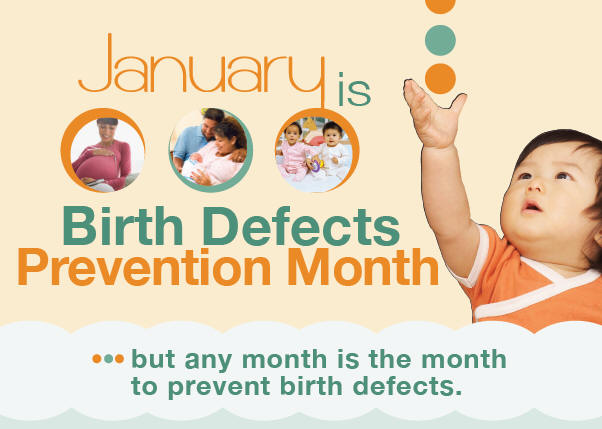
National Birth Defects Month


National Poverty in
America Awareness Month


National Mentoring Month


National Folic Acid Awareness Week


Healthy Weight Week
(20th Annual)


January 22
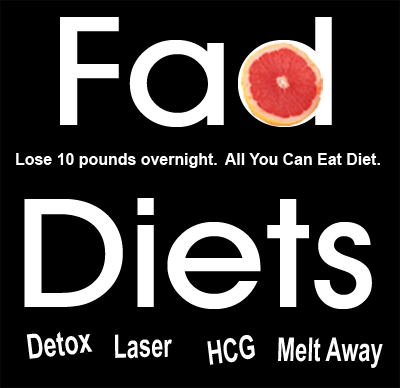
Rid the World of Fad Diets
and Gimmicks Day

Monday, December 31, 2012

December 31, 2012 Celebrating One Year of Living Smoke-free

Today is my one year anniversary of living smoke-free. After 45 years of smoking, on December 31, 2011 I quit smoking cigarettes. The decision was easier than I expected. I just got out of the hospital for facial bacterial cellulitis. My face was swollen, my eyes forced closed, and when I tried to speak it was hard to understand me as I wiped away the drool of saliva - all from an infection in my mouth – all related to years of smoking. 


The infection would eventually clear up, but I was left with having all my upper teeth and most of my bottom teeth removed. I never saw myself as vain, but I was horrified at the woman staring back at me in the mirror. I love to laugh and smile. It took over 6 months for dentures to be prepared so I could smile again.

For the young who believe, you have all the time in the world to quit; time passes quickly and some damage cannot be undone. For the older people who believe it is too late; unless you are a fortune teller you have no idea what the future holds.


This year I saved $6,055.50.
This year I earned 70.1 days.
This year I had 1,614,800 Smoke-Free Breaths.
This year I spent quality time with my son, family and friends.
This year I started a garden.
This year I began a photography program.
This year I took the time to enjoy the taste of foods and breathe fresh air.

Thank you Quit for Life Program https://www.webcoach.net/


Wednesday, December 26, 2012

Twas the Day After Christmas,
a Dietitian's Version

Modified for the Registered Dietitian
by Sandra Frank, Ed.D, RD, LDN

Twas the day after Christmas, and all through the house
Nothing would fit me, not even a blouse.
The cookies I'd eaten, the eggnog I'd taste
The holiday parties had gone to my waist.

When I got on the scale there arose such a number!
The scale must be broken, I said with a thunder.
I'd remember the wonderful meals I'd prepared;
The gravies and sauces and beef nicely rare,

The wine and the pastries, the bread and the cheese
And the way I'd never said, "No thank you, please."
Nothing would fit me, I felt so depressed.
I knew it was time to start a new quest.

I picked up the phone, to call a dietitian,
Knowing this path was just the right mission.
I won’t feel guilty, I’ll try moderation,
Fad diets have failed and even starvation.

I’ll follow the plan, set up solely for me,
More Fruits and Veggies are part of the key.
I’ll eat more fiber and exercise I’ll start,
And limit the fat that is bad for my heart.

Yes, I’ll call a dietitian to provide inspiration and
Learn new ways to avoid temptation.

A Happy and Healthy New Year to you.
Remember to eat right and exercise too.


Happy Kwanzaa

"Kwanzaa was created to introduce and reinforce seven basic values of African culture which contribute to building and reinforcing family, community and culture among African American people as well as Africans throughout the world African community. These values are called the Nguzo Saba which in Swahili means the Seven Principles. The Nguzo Saba stand at the heart of the origin and meaning of Kwanzaa, for it is these values which are not only the building blocks for community but also serve to reinforce and enhance them."   - Dr. Maulana Karenga (Founder and Creator)

Kwanzaa is a week-long celebration observed from December 26 to January 1 each year.
 

Edible Art: Seven Basic Principles of Kwanzaa.
The colors of the Kwanzaa flag are black, red and green; black for the people, red for their struggle, and green for the future and hope that comes from their struggle. It is based on the colors given by the Hon. Marcus Garvey as national colors for African people throughout the world.
 

The Kwanzaa art includes the following foods: apples, raspberries, strawberries, black beans, prunes, black berries, black rice, green bell peppers, broccoli, spinach, grapes, and string  beans.

             
Kwanzaa has seven basic symbols. Each represents values and concepts reflective of African culture and contributive to community building and reinforcement. The following are the basic symbols:

Mazao (The Crops) These are symbolic of African harvest celebrations and of the rewards of productive and collective labor. 

Mkeka (The Mat) This is symbolic of our tradition and history and therefore, the foundation on which we build. 

Kinara (The Candle Holder) This is symbolic of our roots, our parent people -- continental Africans.

Muhindi (The Corn) This is symbolic of our children and our future which they embody.

Mishumaa Saba (The Seven Candles) These are symbolic of the Nguzo Saba, the Seven Principles, the matrix and minimum set of values which African people are urged to live by in order to rescue and reconstruct their lives in their own image and according to their own needs.

Kikombe cha Umoja (The Unity Cup) This is symbolic of the foundational principle and practice of unity which makes all else possible.

Zawadi (The Gifts) These are symbolic of the labor and love of parents and the commitments made and kept by the children. 


The following videos share the history and traditions of Kwanzaa. The first video was created by Sesame Street and the story of Kwanzaa is told through a young  boy; the second video is a Happy Kwanzaa song by Teddy Pendergrass; and the third video is a trailer from "The Black Candle", narrated by Maya Angelou.

Sesame Street: Kwanzaa
 

Happy Kwanzaa 
Teddy Pendergrass


Kwanzaa, a Celebration.
"The Black Candle" trailer, 
narrated by Maya Angelou.


Wishing the lights of Kwanzaa
brings happiness, warmth and prosperity.


Resources
The Official Kwanzaa Web Site
The Official Kwanzaa Web Site, to make a donation  

 Wikipedia: Kwanzaa 


When you learn something from people, or from a culture,
you accept it as a gift, and it is your lifelong commitment
to preserve it and build on it. 
- Yo-Yo Ma


Sunday, December 23, 2012

December, Celebrate Root Vegetables: Beets


The beet is a root vegetable. The most well-known is the beetroot or garden beet. The roots are most commonly deep red-purple in color, but come in a wide variety of other shades, including golden yellow and red-and-white striped. 

Beets are a good source of fiber, potassium and folate. Researchers believe the red pigment (called betacyanin) in beets may protect against the development of cancerous cells and might play a role in reducing the inflammation associated with heart disease.


Nutrition Information

All About Beets

Beet and Red Cabbage Soup

Beet and Red Cabbage Soup
6 servings

Ingredients

3 - 4 fresh medium beets (about 12 ounces)
1 Tbsp. canola oil 
1/2 red onion, thinly sliced (about 2 ounces)
1/2 head red cabbage, thinly sliced 
4 cups reduced-sodium vegetable broth 
1/2 tsp. freshly ground black pepper 
1 medium apple, peeled and diced (4.5 ounces; 128 g)
6 Tbsp low-fat sour cream for garnish 

Directions

Wash and trim beet tops, leaving root ends intact. Wrap in aluminum foil and roast at 375 degrees for 1 hour or until tender. Peel when beets are cool to handle. Slice beets into 1/4-inch julienne and set aside. 

Heat saucepan, add oil and onions. Sauté 3 to 4 minutes. Add cabbage, broth, and pepper. Bring mixture to a boil, reduce heat, cover and simmer 15 minutes. Stir in beets, simmer 10 minutes. Stir in apples, simmer 5  minutes. 


Serve hot or cold. Top with a tablespoon of low fat sour cream.


Recipe Card/Nutrition Information


Friday, December 21, 2012

Santa Claus and the Dietitian
Santa's List of Healthy Resources
for Children and Families


Santa Claus is a gentle and kind older man. He spends most of his days reading letters and granting wishes from children all over the world. Some children ask for toys, while others ask for food, health, family and peace.

Santa has helpers in every country across the globe. One day Santa Claus called me to ask if I could help with the letters from children who were hungry, overweight, had food allergies or other dietary concerns. I was honored to be one of the first dietitians to become Santa’s helper.


We showed the children “Let’s Move” and they became more active.

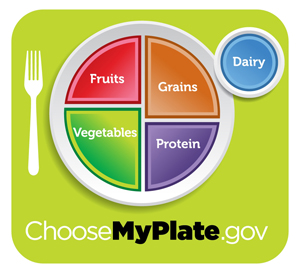
We gave the children a special plate, called “
MyPlate” and they started to eat more fruits, vegetables, and whole grains.

We shared the “
Kids Eat Right” messages and the children became more involved in the family food choices and preparation.

We told the families about the “
Academy of Nutrition and Dietetics”, so children with special dietary needs could find help.

At the end of the day, Santa Claus and I sat down with some hot cocoa and a bowl full of fruit. We smiled knowing we were able to answer the wishes of so many children.


Our work was not done; we knew there would be more letters from children needing our help.


Have a Happy Holiday and a Healthy New Year

 - Santa Claus and the Dietitian


Santa's List of
Healthy Resources 
for Children and Families
Let’s Move  is about putting children on the path to a healthy future during their earliest months and years. Giving parents helpful information and fostering environments that support healthy choices. Providing healthier foods in our schools. Ensuring that every family has access to healthy, affordable food. And, helping children become more physically active.
Choose MyPlate.  The website features practical information and tips to help Americans build healthier diets. 
Kids Eat Right your source for scientifically-based health and nutrition information you can trust to help your child grow healthy. As a parent or caretaker you need reliable resources and you can find them here, backed by the expertise of nutrition professionals.
Academy of Nutrition and Dietetics is your source for trustworthy, science-based food and nutrition information. The worlds largest organization of food and nutrition professionals, AND is committed to improving the nation's health and advancing the profession of dietetics through research, education and advocacy.
When you donate to Feeding America, you are doing more than helping provide meals. You are sending hope and joy to hard working families that are struggling with the difficult decision of whether to pay the bills or pay for groceries.
Action for Healthy Kids,  believe there are ways to reduce and prevent childhood obesity and undernourishment. Learn how Action for Healthy Kids is working with schools, families and communities to help our kids learn to be healthier and be ready to learn.
Healthy Children  The American Academy of Pediatrics (AAP) and its member pediatricians dedicate their efforts and resources to the health, safety and well-being of infants, children, adolescents and young adults. Healthy Children - Nutrition; Food Allergies in Children
Team Nutrition; Eat Smart. Play Hard.™ Materials. Campaign launched by USDA's Food and Nutrition Service (FNS) to encourage and teach children, parents, and caregivers to eat healthy and be physically active every day. Eat Smart. Play Hard.™ is about making America's children healthier. It's about practical suggestions that will help you motivate children and their caregivers to eat healthy and be active. Eat Smart. Play Hard.™ Campaign messages and materials are fun for children and informative for caregivers. Building Blocks for Fun and Healthy Meals; Fact Sheets For Healthier School Meals

We Can. The We Can! GO, SLOW, and WHOA Foods fact sheet (pdf) can be posted on the refrigerator or used when grocery shopping. The We Can! Parent Tips - Snack (pdf) 100 Calories or Less tip sheet can help consumers choose vegetables, whole grains, and fat-free or low-fat (1 percent) milk for healthier snacks.
Fruits and Veggies More Matters

National Dairy Council® (NDC); Child Nutrition; Fuel Up To Play 60 sponsored by National Dairy Council and the National Football League, in collaboration with United States Department of Agriculture (USDA).

Fuel Up to Play 60 is an in-school program that encourages the availability and consumption of nutrient-rich foods, along with at least 60 minutes of daily physical activity.
The National School Lunch Program (NSLP) is a federally assisted meal program operating in public and nonprofit private schools and residential child care institutions. It provides nutritionally balanced, low-cost or free lunches to children each school day. The program was established under the National School Lunch Act, signed by President Harry Truman in 1946.
The School Breakfast Program (SBP) provides cash assistance to States to operate nonprofit breakfast programs in schools and residential childcare institutions. The program is administered at the Federal level by FNS. State education agencies administer the SBP at the State level, and local school food authorities operate it in schools.